
Nigeria’s grid: why power supply keeps falling despite higher tariffs
Nigeria, Africa’s most populous country, has one of the lowest levels of grid electricity per person in the world. In early October, the problem got worse.
On 5 October, grid generation fell to about 2,034 megawatts (MW), according to figures reported by the Rio Times, and 16 of 29 generating plants produced nothing. Just two weeks earlier, on 24 September, the grid had reached a peak of about 5,400 MW. In January, the national grid suffered its first full collapse of the year, with generation briefly falling to zero.
Paying more, getting less
In 2024, the regulator, NERC, raised tariffs sharply for “Band A” customers, who are promised at least 20 hours of supply a day. Many Band A customers now complain that they pay premium prices but still face long outages, because when national generation falls, distribution companies (DisCos) have less power to share out.
Several states reportedly receive under three hours of grid power a day during the worst periods.
Who pays for electricity?
The sector’s finances explain much of the problem. In the first quarter of 2026:
- Generation companies (GenCos) invoiced about ₦690 billion.
- The DisCos were billed about ₦331 billion.
- The federal government covered the gap, about ₦358 billion, or roughly 52 percent of the cost of generation.
Because tariffs for most customers remain below the cost of supply, the government carries a large subsidy. When payments are late, gas suppliers and GenCos go unpaid, gas deliveries fall, and plants reduce output. Average available generation capacity fell by about 17 percent between the end of 2025 and the first quarter of 2026.
The transmission bottleneck
Even when plants can produce power, the transmission network often cannot carry it. Ageing lines, overloaded substations and vandalism limit how much electricity reaches customers, and the grid has little spare capacity to absorb shocks, which is why it collapses so often.
The cost of backup
Millions of Nigerian households and businesses rely on petrol and diesel generators. With diesel-generated electricity costing more than ₦600 per kilowatt-hour in fuel alone, power is one of the biggest costs for small firms and a major drag on manufacturing.
What could help
Analysts point to several steps: clearing verified gas debts, prioritising gas for the most reliable plants, repairing substations and lines, publishing data on supply to each feeder, improving metering and collection, and moving gradually to tariffs that cover costs while protecting poorer households with targeted support.
NERC’s next report and the gas debts
- NERC’s next quarterly report, which will show whether October’s drop was temporary.
- Any settlement of debts owed to gas suppliers and GenCos.
- Whether DisCos are held to the supply hours promised to Band A customers.
Sources: The Rio Times, 10 October 2026; NERC quarterly reports; National Daily; Nairametrics, 23 January 2026.
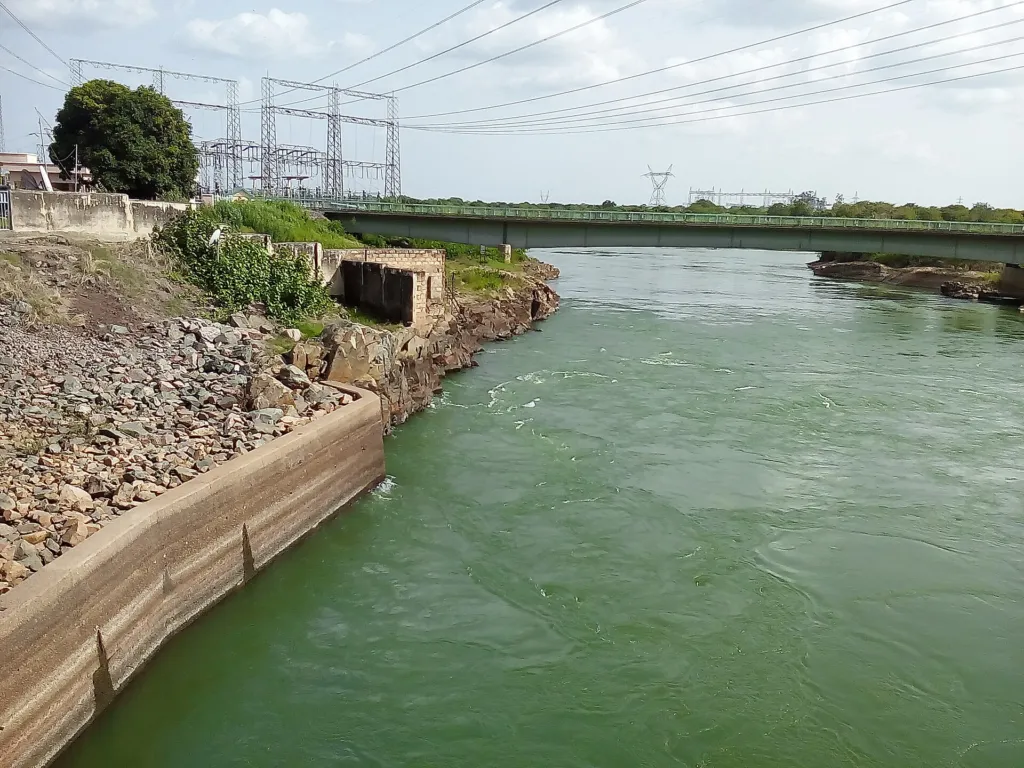
Top photo: The spillway at Kainji hydropower dam, one of the plants feeding Nigeria’s national grid (file photo). Photo: Arcgwandu, Wikimedia Commons, CC BY-SA 4.0
