
Why Kenya’s $1 billion Microsoft AI data centre has stalled
In May 2024, President William Ruto returned from a state visit to Washington with a headline announcement: Microsoft and the Abu Dhabi-based AI company G42 would invest $1 billion in a geothermal-powered data centre in Kenya. Two years later, the project has stalled, and the reason is simple: electricity.
The power problem
Kenya’s national grid has about 3,000 megawatts (MW) of installed capacity. The proposed data centre would have needed roughly a third of that.
“To switch on that one data centre, we would need to shut off power for half the country,” Ruto said, according to reports in May.
The project’s original target of completion by May 2026 was already missed by August 2025, according to Kenyan media. Business Insider Africa reported that a concept note from Kenya’s ICT ministry seeking government funding was not approved by the National Treasury. Microsoft and G42 have not publicly commented on the delays.
Why it mattered
The deal was more than a business investment. It was developed with input from the US and UAE governments and was seen partly as a response to China’s growing digital presence in Africa, where companies such as Huawei have built much of the continent’s telecoms infrastructure.
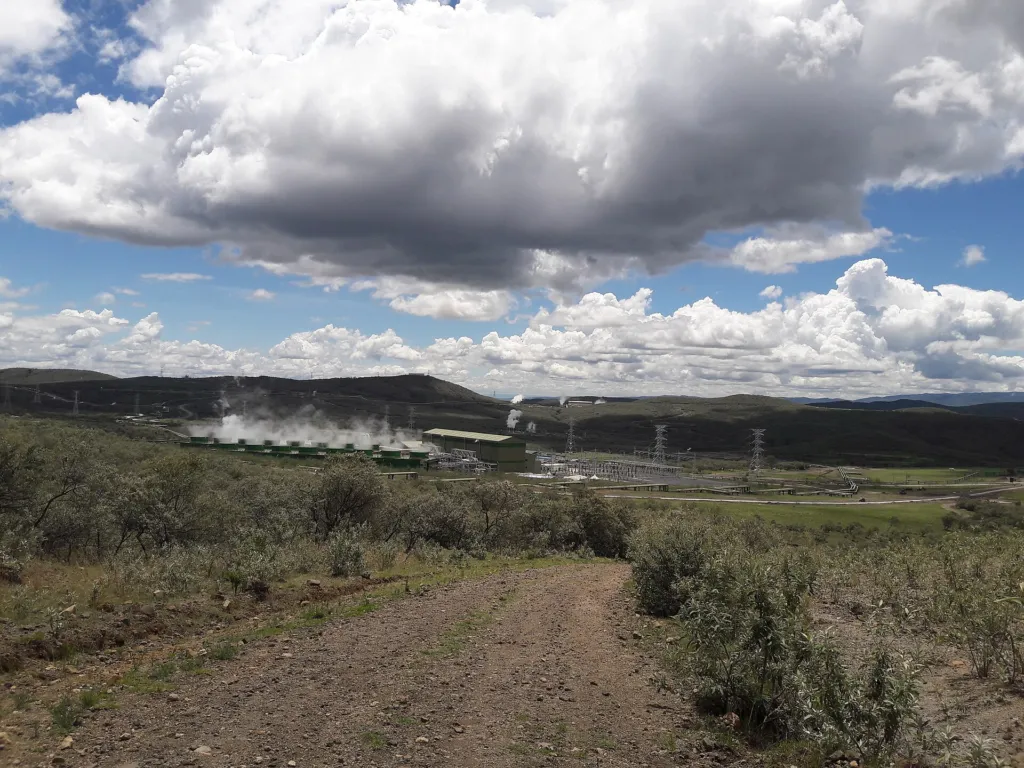
It was meant to bring cloud and AI services to East Africa, and to showcase Kenya’s geothermal energy, which provides about 40 percent of its electricity.
Planning versus ambition
Critics say the grid problem should have been clear from the start. AI data centres use huge amounts of power, and Kenya, like most African countries, does not have spare capacity on that scale.
The government aims to raise national capacity to 10,000 MW by 2030, backed by about $38 billion in planned investment, but analysts question whether that timeline is realistic.
Smaller projects moving ahead
Other data centres are going ahead at a more modest scale. Nxtra, a subsidiary of Airtel Africa, is building a 44 MW facility at Tatu City near Nairobi, expected to be among the largest in East Africa.
Meanwhile, Microsoft announced a $329 million investment in South Africa’s cloud and AI infrastructure in April 2026, including spending on power and water readiness.
Smaller, phased or shelved?
- Whether the project is redesigned at a smaller scale or in phases.
- New power generation, including geothermal at Olkaria.
- Kenya’s AI policy, which the government says is nearly finished.
Sources: Techweez, 8 May 2026; Tom’s Hardware; Business Insider Africa; Morocco World News.
Top photo: Olkaria V geothermal power station. Geothermal power provides about 40 percent of Kenya’s electricity (file photo). Photo: Macabe5387, Wikimedia Commons, CC BY-SA 4.0
