
Haftar’s shadow: why Libya’s parliament dumped its speaker of 12 years
Libya’s eastern-based House of Representatives has removed Aguila Saleh, its speaker since 2014, ending the tenure of one of the most powerful and enduring figures in the country’s divided politics.
On 6 October, lawmakers elected Al-Salhin Abdelnabi al-Obeidi, a member for Tobruk who comes from Saleh’s own tribe, as the new speaker. Tarek al-Ashtar and Mesbah Douma were elected first and second deputy speakers.
How it happened
The move came in two steps. A day earlier, 98 members approved a new rule limiting the speaker and deputy speakers to single 12-month terms. Saleh rejected the vote as having no legal effect and cancelled the session he had called. Lawmakers met anyway and elected his successor.
“There was significant discontent among MPs with the previous leadership over numerous errors,” lawmaker Jebree Oheida said, citing decisions taken without consulting members.
The Haftar factor
Saleh had long been a close ally of Khalifa Haftar, the military commander who controls eastern Libya. The parliament sits in eastern Libya, in Haftar-held territory, and Haftar’s camp relies on it to give legal cover to its decisions.
Analysts say Saleh’s influence had faded as Haftar’s sons, particularly Saddam Haftar, consolidated their power. Emadeddin Badi, an analyst at Chatham House, described Saleh as the latest casualty of Saddam Haftar’s push to centralise decision-making in the east.
A country with two governments
Since the overthrow of Muammar Gaddafi in 2011, Libya has been split between rival centres of power. The UN-recognised Government of National Unity, led by Prime Minister Abdul Hamid Dbeibah, sits in Tripoli in the west. A rival administration in the east is backed by Haftar.
The country’s elected institutions are themselves long overdue for renewal. The House of Representatives was elected in 2014, and planned national elections in December 2021 collapsed amid disputes over the rules and the candidates.
Talk of elections, again
The leadership change comes at a moment of cautious diplomatic movement. In August, rival political camps signed a UN-mediated agreement in Tripoli, through the so-called “4+4 committee”, that could lead to presidential and legislative elections within two years. The two rival governments also reached an initial agreement to overhaul the electoral system. The United States is pursuing a separate plan for reunifying the country.
Ordinary Libyans, meanwhile, face daily hardship. Protests broke out in Tripoli in July over power cuts and falling living standards, and attacks on oil and electricity infrastructure in the west have caused widespread outages.
A first big decision
Within about two weeks, the reshaped parliament approved the 2019 maritime agreement between Turkey and the Tripoli government, which the eastern chamber had resisted for years, Al Jazeera reported. Al-Obeidi previously chaired the Libyan-Turkish parliamentary friendship committee. Greece, Cyprus and Egypt say the deal violates their sovereign rights; Ankara says it complies with international law.
What it means
The change of speaker could cut both ways:
- More pliable. A parliament more tightly aligned with the Haftar family could make the east speak with one voice in negotiations, for better or worse.
- New faces. One-year terms could prevent any single figure from dominating the chamber as Saleh did.
Either way, the next test is whether the eastern parliament engages seriously with the UN-backed electoral track, or whether, like so many plans before it, the promise of elections fades.
Sources: Al Jazeera, 7 October 2026; Africanews, 7 October 2026; Wikipedia, 2026 in Libya; Al Jazeera, 29 October 2026.
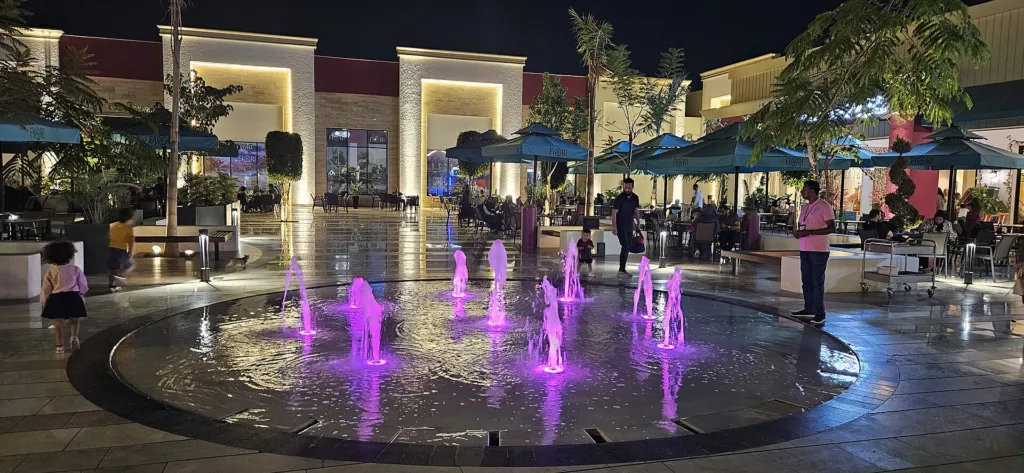
Top photo: Fiori Square in Benghazi, Libya (file photo, 2024). Photo: Jawad Elhusuni, Wikimedia Commons, CC BY-SA 4.0
