
Africa’s remaining 2026 elections: what to watch
2026 has been a busy year at the ballot box in Africa. Uganda, Ethiopia and Zambia are among the countries that have already held national elections. The final weeks of the year bring several more contests that will shape politics across the continent.
South Africa: local elections, 4 November
South Africans elect municipal councils in the first national vote since the 2024 election ended the ANC’s majority. A record 136,790 candidates are contesting 10,526 seats. The results will show whether the governing coalition partners, the ANC and the Democratic Alliance, are gaining or losing ground, and whether small parties will hold the balance of power in big cities.
What to watch: the ANC’s vote share, turnout, and who controls Johannesburg, Tshwane and eThekwini.
The Gambia: presidential election, 5 December
President Adama Barrow is seeking a third term against a divided opposition led by Ousainou Darboe of the United Democratic Party and Kanifing mayor Talib Ahmed Bensouda. The Gambia has no presidential term limits after a draft constitution was rejected in 2020, and the winner needs only the most votes, with no run-off. Voters will cast their ballots by dropping marbles into drums.
What to watch: whether the opposition unites, youth turnout, and the future of constitutional reform.
Guinea-Bissau: presidential election, postponed
The vote, set for 6 December, was meant to restore civilian rule after the military seized power in November 2025. But on 8 October Prime Minister Ilídio Vieira Té said it “will have to be delayed”, because parties had not chosen their leaders and would-be candidates had missed the deadline to register. No new date has been set. A week earlier the junta had blocked former president Umaro Sissoco Embaló from returning from exile to run, and restrictions on political gatherings remain in place.
What to watch: when a new date is set, who is allowed on the ballot, and how ECOWAS and the African Union respond.
South Sudan: general elections, December (expected)
South Sudan has never held a national election since independence in 2011. A vote was set for December 2026 after earlier dates were pushed back, but preparations have been slow and the country’s peace process remains fragile. Many observers doubt it will go ahead as planned.
What to watch: whether the date is postponed again.
Looking back: lessons from 2026 so far
The elections already held this year point to some clear trends:
- Long-serving incumbents keep winning. Uganda’s Yoweri Museveni, 81, won a seventh term in January with about 72 percent, while opposition leader Bobi Wine rejected the result as fraudulent. An internet shutdown was imposed days before the vote.
- Peaceful handovers remain possible, but contested. In Zambia, Hakainde Hichilema won a second term with about 61 percent. Observers praised a largely peaceful vote but criticised an uneven playing field.
- Insecurity limits participation. In Ethiopia, voting did not take place in Tigray or in parts of other regions because of conflict, and the ruling Prosperity Party won 438 of 547 seats.
Why it matters
Elections are not the whole of democracy, but they remain the main way Africans choose and change their leaders. Surveys by Afrobarometer have consistently found that most Africans prefer democracy to other systems of government, even as trust in electoral institutions has weakened in some countries.
How these final contests of 2026 are run, and whether the results are accepted, will say a great deal about the state of democracy on the continent going into 2027.
Sources: Electoral Commission of South Africa; Africanews, 2 October 2026; Reuters, 8 October 2026; BusinessDay Nigeria; AllAfrica, 19 January 2026; Al Jazeera, 18 August 2026; Wikipedia, 2026 Ethiopian general election.
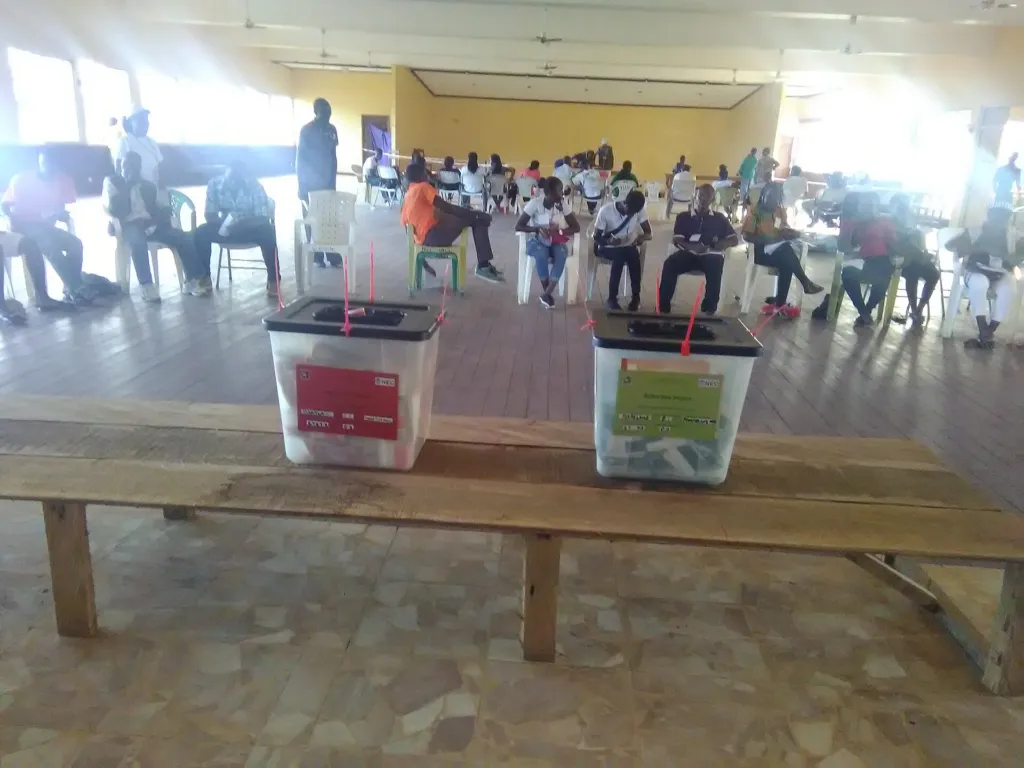
Top photo: Ballot boxes prepared for an election (file photo). Photo: Robert1847, Wikimedia Commons, CC BY-SA 4.0
