
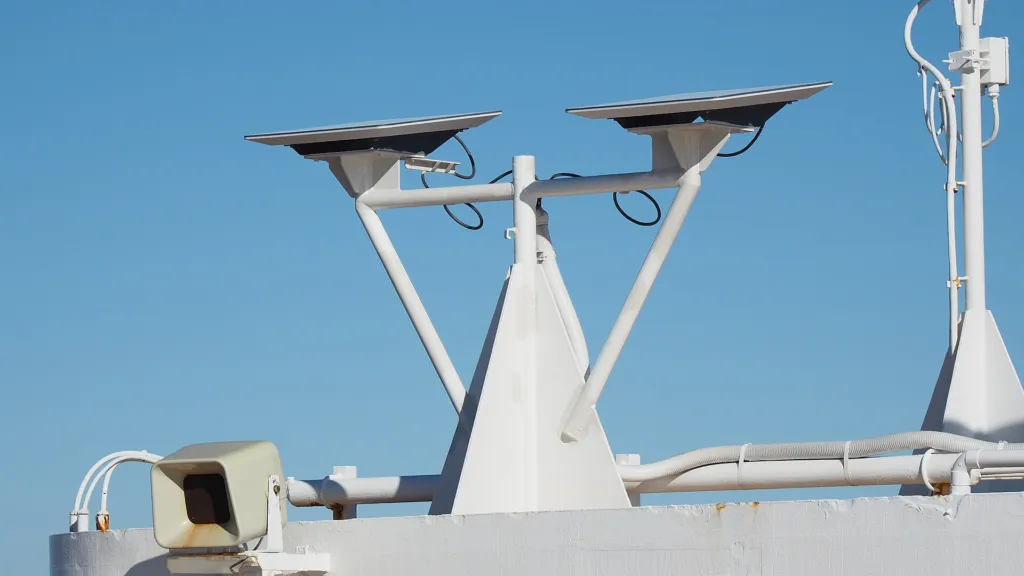
Starlink is now in 28 African countries. Here is where it isn’t, and why
Less than four years after it first launched in Africa, in Nigeria in early 2023, Starlink, the satellite internet service owned by Elon Musk’s SpaceX, is now on sale in 28 of the continent’s 54 countries. Côte d’Ivoire and Seychelles were the latest to join, in mid-July.
The service has around 300,000 African subscribers. About 64 percent of them are in just three countries: Nigeria, Zimbabwe and Zambia.
Why people are signing up
Starlink delivers internet from thousands of satellites in low orbit, so it works almost anywhere with a clear view of the sky. For businesses, schools, clinics and households far from fibre or reliable mobile networks, it can be a lifeline.
It is not cheap. In Côte d’Ivoire, for example, the residential plan costs about CFA 28,700 (around $50) a month for speeds of up to 100 Mbps, and the standard dish costs about CFA 247,500. A smaller “mini” dish costs about CFA 148,000. Those prices put it out of reach for most households, but within reach of many small businesses and better-off families.
Kenya: a victim of its own success
Kenya was one of Starlink’s early African markets, and demand has outstripped supply. In early July, Starlink stopped accepting new customers in seven counties, including Nairobi, Kiambu and Mombasa, saying the service was “at capacity”. Would-be customers can pay a deposit to join a queue, but no reopening date has been announced.
It is not the first time. A similar freeze in Nairobi lasted about seven months, from November 2024 to June 2025. Kenya had about 25,000 subscribers at the end of March, and median download speeds have fallen to around 35 Mbps as the network has become more crowded.
Kenya’s regulator has also tightened the rules, requiring identity checks for customers and replacing Starlink’s satellite licence with a more expensive one.
Where Starlink is not available
Eight African countries have no launch date at all, according to Starlink’s coverage map: South Africa, Algeria, Egypt, Libya, Morocco, Sudan, Eritrea and Djibouti. Ethiopia also appears to have no date.
- South Africa is the most notable gap. Starlink has not applied for a licence. Local rules require 30 percent ownership by historically disadvantaged groups, and the company is waiting for a proposed change that would let foreign operators meet that requirement through investment instead.
- Namibia rejected Starlink’s application because the company is wholly foreign-owned and local law requires 51 percent local ownership.
Competition is coming
Starlink is not alone for long. Amazon’s rival satellite service, Leo, plans to launch in South Africa in 2027 through a distribution deal with Herotel. In Côte d’Ivoire, MTN and Orange already sell satellite broadband through Eutelsat.
Mobile operators are also partnering with SpaceX. In December 2025, Airtel Africa agreed to offer Starlink’s direct-to-phone service across its 14 African markets, subject to approval in each country.
Why it matters
Africa still has the lowest internet use of any region in the world, and rural areas lag far behind cities. Satellite internet will not solve that on its own, because cost remains the biggest barrier. But it is filling gaps that fibre and mobile networks have not reached, and forcing regulators to rethink rules written for a different era.
Sources: Tech-ish, 28 July 2026; ARTCI; Communications Authority of Kenya; ICASA.
Top photo: A Starlink satellite internet dish (file photo). Photo: Ka23 13, Wikimedia Commons, CC BY 4.0
