
Durban violence puts South Africa’s migration tensions back in focus
A wave of anti-immigrant protests in Durban has left homes, cars and shops burned and at least one person dead, reviving fears of a return to the xenophobic violence that has scarred South Africa in the past.
What happened
Protests in Durban’s city centre turned violent in early October. On Thursday 8 October, 14 cars were torched and a number of shops were looted. The following day, three houses were set on fire and more shops were looted across the central business district. Demonstrators also threw rocks at residential buildings.
Protest leader Wandile Nsibande said marchers were unhappy about illegal immigration and vowed to make Durban “ungovernable” unless undocumented foreign nationals were deported. “We are going to stop them from operating as South Africans,” he said.
On 22 October, a foreign national was beaten to death by a crowd of about 50 people during a protest march in Durban’s central business district. Police said the man, in his 30s or early 40s, was standing by the side of a road when the group approached him. His nationality had not been released. The next day, police said they were holding five men, aged 19 to 46, for questioning over the killing and other attacks on foreign nationals that week, TimesLive reported. Four of them have since been charged over attacks on foreign nationals and the fifth was released, the paper reported on 27 October; the charges have not been made public. A campaign group, the Siyafana Sonke Action Campaign, said police had not caught the organisers: “it’s clear that it’s not the instigators or ringleaders of the violence,” its spokesperson Yeshelen Govender told Eyewitness News. The killing followed anti-immigrant protests in both Durban and Soweto.
The government’s response
On 9 October, the Department of Home Affairs withdrew a directive that had instructed refugee offices to help foreign nationals apply for asylum, one of the protesters’ grievances. Police said they would not tolerate unlawful actions, and patrols were stepped up ahead of a major football final in the city. Soldiers sent to the city under a presidential directive were due to leave on 31 October.
A painful history
South Africa has a long and troubled history of violence against foreign nationals, many of them from other African countries.
- In 2008, attacks in townships across the country killed more than 60 people and displaced tens of thousands.
- In 2015, violence in Durban and Johannesburg drew condemnation from across the continent.
- In 2019, riots targeting foreign-owned shops led to diplomatic protests from Nigeria and other countries.
In recent years, groups campaigning against illegal immigration have become more organised and more visible, holding marches in Johannesburg, Durban and other cities. This year Nigeria, Mozambique and Malawi have said some of their citizens were killed in xenophobic attacks; South African authorities have disputed some of those claims, saying some deaths were linked to crime.
Why tensions are rising
Analysts point to several pressures:
- Unemployment. South Africa’s jobless rate is among the highest in the world, especially for young people.
- Competition for small business. Foreign-owned spaza shops and informal traders are often the target of resentment.
- Strained services. Housing, health care and schools are under pressure in many cities.
- Politics. Immigration became a campaign issue for several parties in the local elections held on 4 November.
Foreign residents in Durban have rejected claims that they are responsible for crime, and human rights groups have warned that scapegoating migrants distracts from the real causes of unemployment and poor services.
What to watch
- Whether police can prevent further attacks now that the election campaign is over.
- Whether the four men charged are convicted, and whether anyone is charged over the 22 October killing. Prosecutions have been rare after past outbreaks of violence.
- Reactions from other African governments, whose citizens are among those affected.
- How the newly elected municipal councils, and the parties that run them, act on immigration.
Sources: Eyewitness News, 10 October 2026; Al Jazeera, 22 October 2026; The Citizen; Fair Planet; TimesLive, 23 October 2026; Eyewitness News, 24 October 2026; TimesLive, 27 October 2026.
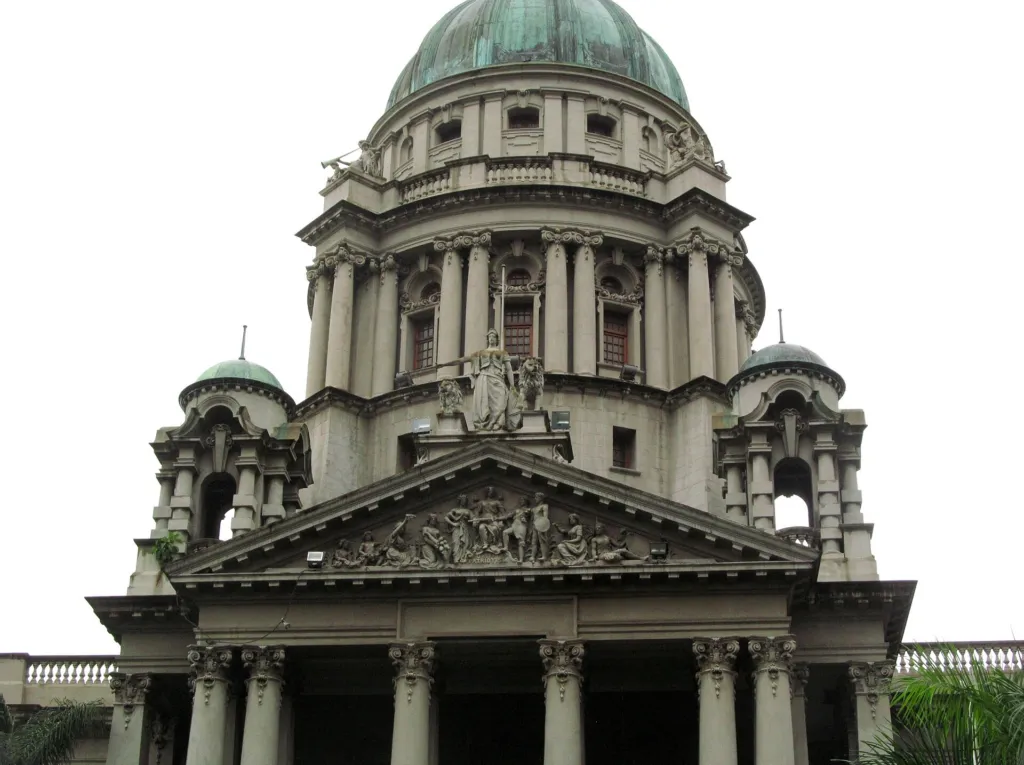
Top photo: Durban city centre (file photo, 2014). Photo: Khethukuthula Happyson Mbonambi, Wikimedia Commons, CC BY-SA 4.0
