
Ghana’s outages: why ECG says the problem is now the network, not generation
For many Ghanaians, “dumsor”, the word for on-and-off power cuts, brings back memories of the severe crisis of 2012 to 2016, when the country simply did not have enough electricity. The outages Ghanaians face in 2026 are different. According to the Electricity Company of Ghana (ECG), the main problem is no longer a shortage of power, but the network that carries it to homes and businesses.
What ECG says
In a statement in April, ECG apologised for unplanned outages in parts of the country and blamed problems within its distribution network:
- Ageing infrastructure, much of it installed decades ago.
- Weakened cables that fail under heavy load.
- Overloaded transformers, as demand has grown faster than the equipment serving neighbourhoods.
“We sincerely apologise for the inconvenience and kindly ask for the patience of affected customers,” the company said.
The fix: 2,500 transformers
ECG and the government are rolling out a nationwide Transformer Upgrade and Replacement Programme (TURP). More than 2,500 transformers are to be installed in phases across ECG’s operational areas to increase capacity and stability.
The work itself requires planned outages. This week, from 26 to 30 October, ECG has scheduled power cuts in parts of Accra, Tema, the Central Region and the Volta Region, mostly between 9am and 5pm, for what it describes as urgent repairs and system upgrades after several recent faults.
Why demand keeps outgrowing the grid
Ghana’s electricity demand is rising quickly, driven by population growth, urban expansion, air conditioning and new businesses. When a neighbourhood grows but its transformer does not, the equipment overheats and trips, leaving streets in the dark even when the national grid has enough power.
Financing is the deeper problem. ECG has for years collected less money than it pays for the power it buys, leaving little for maintenance and upgrades. Its losses narrowed in 2025, but the company is still not profitable.
The cost to businesses and households
For small businesses such as tailors, cold stores, barbers and welders, daytime cuts mean lost income. Many households and firms rely on generators, which are expensive to run and noisy, while voltage fluctuations damage appliances.
ECG advises customers to report faults through its hotline and social media channels, and promises to announce planned outages in advance.
What to watch
- Progress on the transformer programme and whether unplanned outages fall.
- ECG’s financial results, and whether higher revenues translate into more maintenance spending.
- Plans for private participation in ECG’s operations, which the government is currently studying.
Sources: Citi Newsroom, 28 April 2026; Pulse Ghana, 25 October 2026; ECG statements; Businessfront.
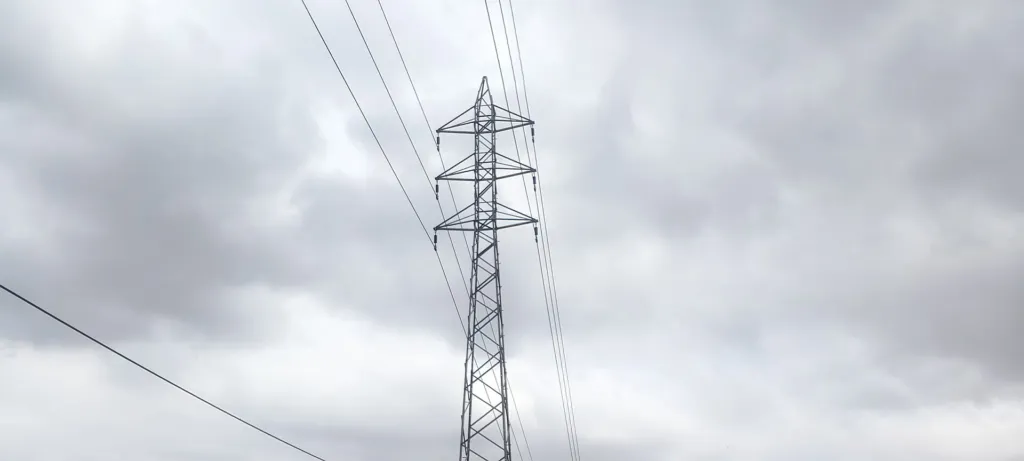
Top photo: Power infrastructure of the Electricity Company of Ghana, September 2026 (file photo). Photo: Ruby sunday, Wikimedia Commons, CC BY-SA 4.0
