
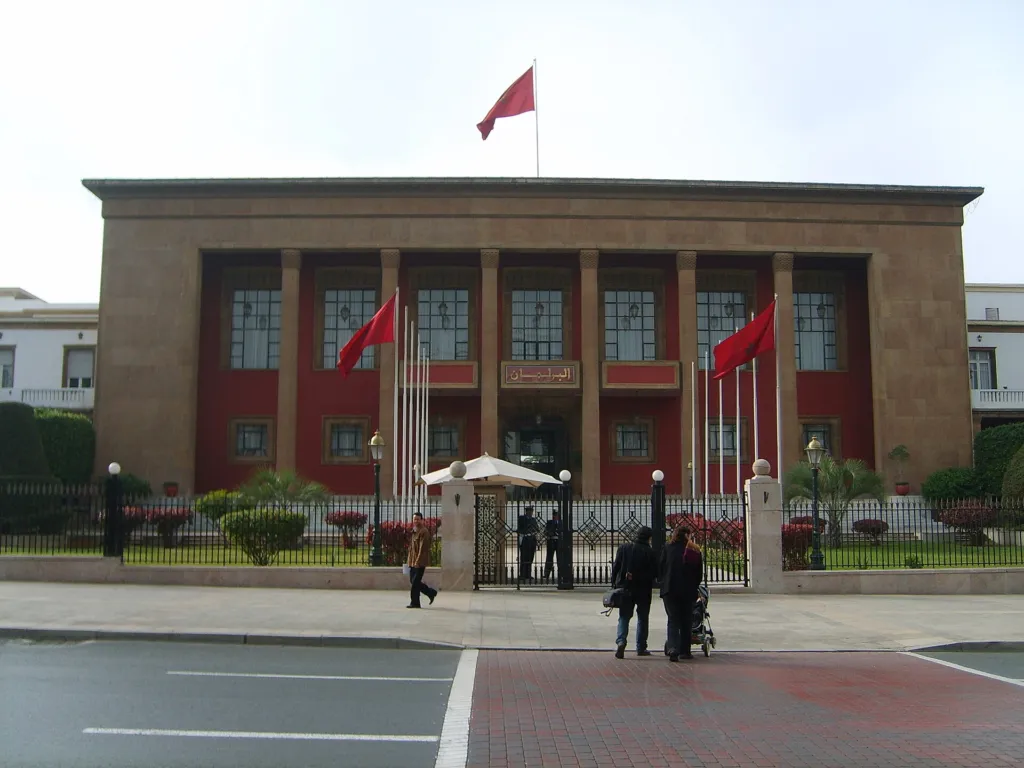
Morocco gets its first woman prime minister after PAM wins September election
Morocco has its first woman head of government. On 29 September, King Mohammed VI appointed Fatima Ezzahra El Mansouri, leader of the Authenticity and Modernity Party (PAM), to form a government, after her party won the most seats in the 23 September legislative elections.
The results
The PAM came first with 97 of the 395 seats in the House of Representatives. Results for the main parties were:
- Authenticity and Modernity Party (PAM): 97
- National Rally of Independents (RNI): 66
- Istiqlal: 65
- Justice and Development Party (PJD): 54
- Popular Movement: 29
- Socialist Union of Popular Forces (USFP): 26
- Party of Progress and Socialism: 19
- Constitutional Union: 17
The RNI, the party of outgoing Prime Minister Aziz Akhannouch, lost its first place. The biggest comeback was by the Islamist PJD, which led governments from 2011 to 2021 but collapsed to just 13 seats in 2021. It now has 54.
Turnout was 38 percent, well down from about 50 percent in 2021, a sign of widespread disillusion with party politics.
Who is Fatima Ezzahra El Mansouri?
El Mansouri is a lawyer from Marrakech. She became the city’s mayor in 2021 and served as minister of housing and urban planning in the outgoing government. Since 2024 she has been coordinator of the collective leadership of the PAM, a party founded in 2008 by a close adviser to the king.
Under Morocco’s 2011 constitution, the king appoints the prime minister from the party that wins the most seats. Real power over defence, foreign policy and religious affairs remains with the palace, but the head of government leads the cabinet and manages much of the domestic agenda.
Building a coalition
With 97 seats, the PAM needed partners to reach a majority of 198. On 12 October, El Mansouri announced a four-party coalition of the PAM, Istiqlal, the USFP and the Party of Progress and Socialism, with 207 of the 395 seats. The RNI, which led the outgoing government, is left out. The PJD’s leader, former Prime Minister Abdelilah Benkirane, has said his party will remain in opposition.
King Mohammed VI appointed the new cabinet on 16 October. Seven of its members, including El Mansouri, are women, the same number as in the previous government. Interior Minister Abdelouafi Laftit and Foreign Minister Nasser Bourita kept their posts, and Fouzi Lekjaa, the head of the Royal Moroccan Football Federation, was promoted from budget minister to economy minister. El Mansouri has promised an “ambitious government program that can meet citizens’ expectations”.
On 22 October the House of Representatives approved El Mansouri’s government programme by 204 votes to 127, formally confirming her government. The programme focuses on the cost of living, purchasing power and tackling conflicts of interest and corruption. Debate on the 2027 finance bill began the next day.
The challenges
The new government takes office at a demanding moment:
- World Cup 2030. Morocco is co-hosting the tournament with Spain and Portugal, and is spending heavily on stadiums, high-speed rail and airports.
- Social anger. In 2025, youth-led “GenZ 212” protests demanded better health care and education, criticising spending on stadiums while hospitals were underfunded.
- Water and jobs. Years of drought and high youth unemployment remain major pressures.
What to watch
- How well the new four-party coalition holds together in its first months.
- The 2027 budget and promised spending on health and education.
- Whether the PJD’s revival continues as the main opposition voice.
Sources: Morocco World News; Hespress, 12 October 2026; Kuwait Times, 17 October 2026; Reuters; AP; Le360, September 2026; Hespress, 22 October 2026; Morocco World News, 22 October 2026.
Top photo: Morocco’s parliament building in Rabat (file photo). Photo: Davide Cesare Veniani, Wikimedia Commons, CC BY-SA 3.0
