
Nigeria starts blocking unapproved phones from mobile networks with new device checker
Nigeria’s telecoms regulator has begun checking new phones, modems and payment terminals against its approval records before they can use the country’s mobile networks, in a push against counterfeit and cloned devices. The Nigerian Communications Commission (NCC) says its enhanced Type Approval Compliance framework took effect on 7 October, and it has launched a Device Checker that buyers can reach by dialling *315#.
Devices found not to meet the rules, including counterfeits, may be refused access to Nigerian networks. Phones already connected before 7 October have been verified automatically, the regulator says.
How the blocking works
At a news conference in Abuja on 13 October, NCC officials set out how the system works.
- What is covered. Smartphones, basic feature phones, cellular tablets, modems, SIM-enabled laptops, point-of-sale (POS) terminals and eligible internet-of-things equipment.
- How to check. Buyers can dial *315#, use the NCC website or call the toll-free number 315. For a device other than the one in hand, they need its 15-digit International Mobile Equipment Identity (IMEI) number, shown by dialling *#06#.
- Who must comply. Manufacturers, importers and sellers, not ordinary buyers, carry the duty to obtain approval and submit each device’s IMEI before sale.
- Visitors. A phone that has never been used in Nigeria can run on a Nigerian SIM for up to 30 days in a year without verification. Roaming on foreign SIM cards is not affected.
The NCC is working with the Nigeria Customs Service to verify stock already in the country and check new imports. Nairametrics reported that about 231 million devices had been registered as the framework began.
An old rule, newly enforced
Type approval itself is not new. It rests on Section 132 of the Nigerian Communications Act 2003 and on regulations and business rules issued in 2024. What has changed is enforcement: devices are now checked individually by IMEI, allowing the regulator to identify the importer, the import date and the quantity of devices brought in.
“Type Approval is not merely a regulatory requirement. It is a vital mechanism for protecting consumers,” Edoyemi Ogoh, the NCC’s director of technical standards and network integrity, said at the briefing, as quoted by The Telegraph. The NCC says non-compliant devices can create problems for network performance and expose consumers to counterfeit products.
Privacy concerns and the NCC’s reply
Some subscribers raised privacy concerns. Mr Ogoh said the framework “is not designed for surveillance and does not provide the Commission with access to” the content of communications, photos, messages, contacts or financial information, Nairametrics reported. The NCC also says the system does not track users’ locations.
On 20 October the regulator went further, warning manufacturers, importers, distributors and dealers through a statement by its director of public affairs, Nnenna Ukoha, that those who fail to comply would be “restricted from accessing Nigerian mobile telecommunications networks”, according to The Authority. Retailers were told to review existing stock, and equipment with unresolved compliance issues should not be sold, Legit.ng reported.
What if your phone fails the check?
The NCC stresses that a failed check does not automatically mean a phone is fake, and advises buyers to settle any problem with the seller before paying. Second-hand phones should also be checked, because past use on a network does not guarantee verification. Consumers are told never to share verification codes.
How many phones are blocked?
- How many devices are refused network access in the first months, and whether the NCC publishes figures.
- The impact on phone traders and importers holding unverified stock ahead of the December shopping season.
- Whether the Customs partnership slows clearance of imported phones.
- Any further complaints about privacy or wrongly flagged devices.
Sources: The Telegraph, 13 October 2026; PM Parrot, 14 October 2026; Nairametrics, 15 October 2026; The Whistler, 19 October 2026; The Authority, 20 October 2026; Legit.ng, 21 October 2026; Nigerian Communications Commission, Device Checker FAQ
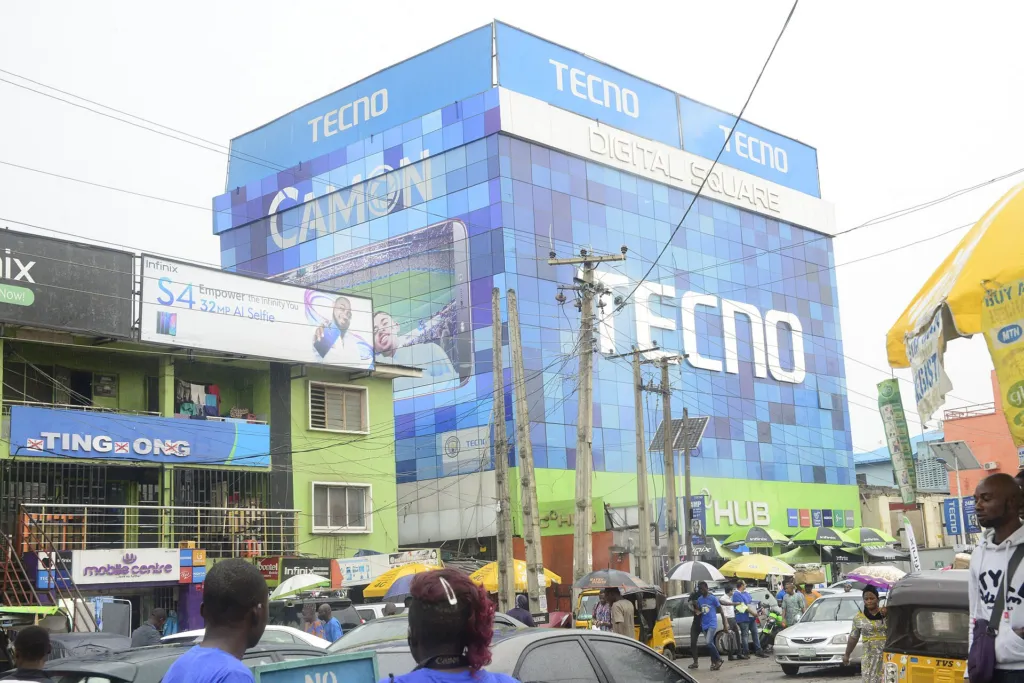
Top photo: Phone and computer shops at Computer Village in Ikeja, Lagos (file photo). Photo: Lightfast Media, Wikimedia Commons, CC BY-SA 4.0
