
Zimbabwe’s term-extension amendment: what it changes and who is challenging it
Zimbabwe’s President Emmerson Mnangagwa signed Constitutional Amendment No. 3 into law in July, extending his time in office and changing how the country chooses its leaders. The move has divided opinion inside and outside the ruling party.
What the amendment does
- Longer terms. Presidential and parliamentary terms are extended from five years to seven.
- Mnangagwa until 2030. His current term, which was due to end in 2028, is extended to 2030.
- Indirect presidential elections. Instead of being elected directly by voters, future presidents would be elected by parliament.
Supporters in ZANU-PF say the changes will provide stability and allow the government to complete its development programme, known as “Vision 2030”. Some party officials have gone further: ZANU-PF’s Harare provincial chairman, Godwills Masimirembwa, has called for Mnangagwa to stay on until 2037.
The criticism
Opposition parties, lawyers and civil society groups have called the amendment a “constitutional coup”. They raise several objections:
- Term limits. Zimbabwe’s 2013 constitution limits presidents to two five-year terms. Mnangagwa is serving his second.
- Referendum. Critics argue that changes extending an incumbent’s term require approval in a national referendum, and that, under the constitution, a term-limit extension cannot benefit the person holding office when it is made.
- Voters’ rights. Removing the direct presidential vote takes a fundamental choice away from citizens.
Several challenges have been filed at the Constitutional Court. Within ZANU-PF, the extension has also exposed divisions, including tensions with supporters of Vice-President Constantino Chiwenga, a former army chief who helped bring Mnangagwa to power in 2017.
Background
Mnangagwa took power in November 2017 after the military forced out Robert Mugabe, who had ruled since independence in 1980. He won disputed elections in 2018 and 2023. Observers from the Southern African Development Community (SADC) said the 2023 vote fell short of regional standards.
Zimbabwe’s economy has struggled for decades with high inflation, currency crises and debt. In 2024 it launched another new currency, the ZiG, backed by gold and foreign reserves.
A test for term limits in southern Africa
Term-limit extensions have become a recurring issue across Africa. The outcome in Zimbabwe, and the reaction of SADC and the African Union, will be watched as a signal of how far regional bodies are willing to defend constitutional rules.
The court, a referendum and ZANU-PF
- Rulings by the Constitutional Court.
- Any moves to hold a referendum.
- Divisions within ZANU-PF over succession.
- The response from SADC.
Sources: NewZimbabwe; The Herald; Reuters; AP; Zimbabwe Lawyers for Human Rights, July 2026.
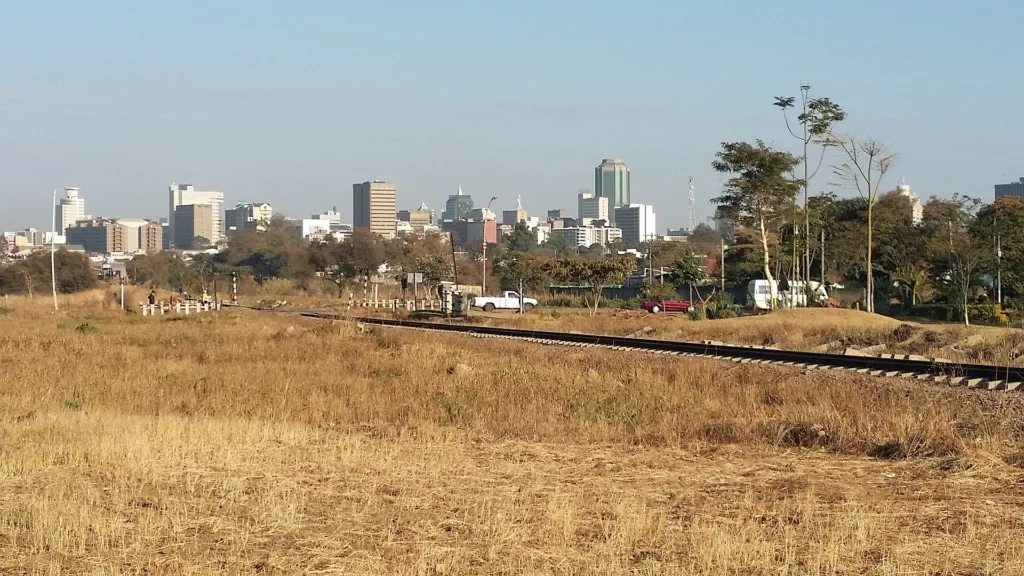
Top photo: A view of Harare from Chiremba Road (file photo). Photo: Itaisibanda, Wikimedia Commons, CC BY-SA 4.0
