
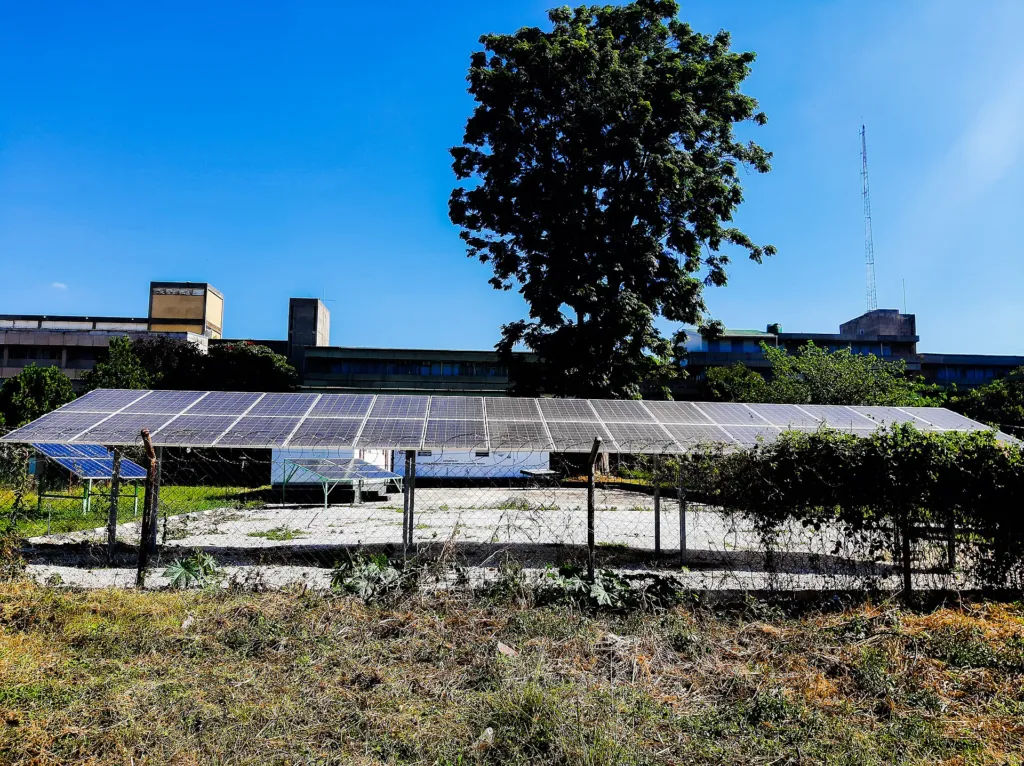
Zambia’s solar boom: from 188 MW to over 1,000 MW in two years
When drought shut down most of Zambia’s hydropower in 2024, the country learned a painful lesson about relying on one source of electricity. Two years later, the landscape has changed dramatically.
The numbers
According to figures reported by the Lusaka Times:
- Zambia’s installed solar capacity has passed 1,027 megawatts (MW), up from about 188 MW in 2024.
- Solar now makes up about 22 percent of total installed capacity of about 4,722 MW.
- The government targets 10,000 MW of capacity by 2031.
Projects include the 136 MW Itimpi II solar plant in Kitwe, on the Copperbelt.
How it happened
Several changes helped drive the boom:
- Private power producers. Zambia opened the market to independent power producers and traders, who can sell electricity directly to large customers such as mines.
- Mining demand. Copper mines, the backbone of the economy, need reliable power and have been willing to buy solar electricity directly.
- Rooftop and small-scale solar. Households and businesses bought solar panels and batteries to cope with load-shedding.
- Falling costs. Solar panels have become much cheaper over the past decade.
In June, ZESCO credited new hydro, thermal and solar output, and partnerships with private producers, for ending nationwide load-shedding.
The limits
- Night-time demand. Solar produces nothing after dark. Without large battery storage, Zambia still depends on hydropower and coal in the evening.
- Grid strength. A grid with a large share of solar needs upgrades to handle fluctuating supply.
- Transparency. Former energy minister Yamfwa Mukanga has challenged the government to disclose how much has been invested in solar, a figure that has not been published.
Why it matters now
With the Zambezi River Authority cutting Kariba’s water allocation for 2027 amid forecasts of a strong El Niño, solar could make the difference between short and long power cuts. President Hakainde Hichilema, re-elected in August, has made energy security and mining growth central to his economic agenda.
What to watch
- New battery storage projects.
- Progress towards the 10,000 MW target.
- How the grid copes if hydropower falls sharply in 2027.
Sources: Lusaka Times, 7 October 2026 and 10 June 2026; ZESCO; Al Jazeera, 18 August 2026.
Top photo: Solar panels at the University of Zambia, 2023 (file photo). Photo: Choonga, Wikimedia Commons, CC BY-SA 4.0
