
Microsoft shuts its Nairobi engineering hub in global job cuts
Microsoft is closing its Africa Development Centre (ADC) in Nairobi, ending the engineering work that made the city one of the company’s key engineering locations in Africa. Employees were told on 12 October, according to several Kenyan technology outlets.
The company has not given figures for the jobs affected or a timetable. It described the move as part of changes to its business worldwide and said it would keep operating in Kenya.
How staff found out
Staff at the Nairobi centre, in the Westlands district, learnt of the decision on 12 October. A Microsoft spokesperson did not state outright that the centre would shut, but told CIO Africa: “These are proposed changes that are part of the global changes within Microsoft.”
The changes “have impacted the engineering department in Kenya”, the spokesperson added, but the company “will continue operating in the country and will continue supporting its customers in the region”. The spokesperson also said “Microsoft remains committed to Kenya and will continue to have employees in the country”.
Kenyan reports say it is unclear whether Microsoft Research Africa and the Microsoft Garage, which share the Westlands building, are included.
A hub launched in 2019
Microsoft announced the ADC in May 2019, with sites in Nairobi and Lagos and a pledge of about $100m over five years. The ADC wrote code for the company’s global products: Techweez says its teams worked on identity systems, security and developer tools, Microsoft 365, and Windows and devices. Reports at the time, cited by Techweez, put the Nairobi team at more than 450 engineers and product leaders when the centre officially opened in March 2022.
Microsoft shut the Lagos centre in 2024, leaving Nairobi as the last of the two original hubs. Microsoft has been cutting staff worldwide while spending heavily on data centres for artificial intelligence (AI). It cut about 4,800 roles in July, mostly in sales and its Xbox gaming division, according to Techweez.
Kenya’s government responds
William Kabogo, Kenya’s Cabinet Secretary for Information, Communications and the Digital Economy, met a Microsoft delegation led by Jeff Bullwinkel, its vice-president and deputy general counsel for corporate, external and legal affairs in Europe, the Middle East and Africa, on the same day staff were told.
“I stressed the importance of retaining local talent, protecting jobs at Microsoft’s Nairobi engineering centre and sustaining investor confidence in Kenya’s technology sector,” Mr Kabogo said, according to Nairobi News.
He said Microsoft had reaffirmed its long-term commitment to Kenya. According to CIO Africa, the ministry and the company are expected to draw up a joint action plan covering AI in government, the digitisation of public services, cybersecurity, digital infrastructure and skills.
A setback for Nairobi’s tech ambitions
The ADC built software used around the world, and its closure is a setback for Nairobi’s ambitions as a regional technology hub. It comes in the same year that a planned $1bn geothermal-powered data centre backed by Microsoft and the Abu Dhabi firm G42 stalled, although Kenyan Wall Street noted there is no public evidence linking the two.
The closure could also release experienced engineers into the local job market, which Techweez said could give start-ups and other technology employers access to that talent.
Job numbers and exit dates
- Official confirmation. Whether Microsoft confirms the closure, the number of jobs lost and exit dates.
- Redundancy process. Formal notices to Kenya’s labour authorities and the severance terms offered under the Employment Act.
- Research and start-up units. The fate of Microsoft Research Africa and the Microsoft Garage in Nairobi.
- Government action plan. What the expected joint plan with Mr Kabogo’s ministry contains, and when it is published.
Sources: CIO Africa, 12 October 2026 (updated 14 October); Nairobi News, 13 October 2026; Techweez, 12 October 2026; Kenyan Wall Street, 13 October 2026.
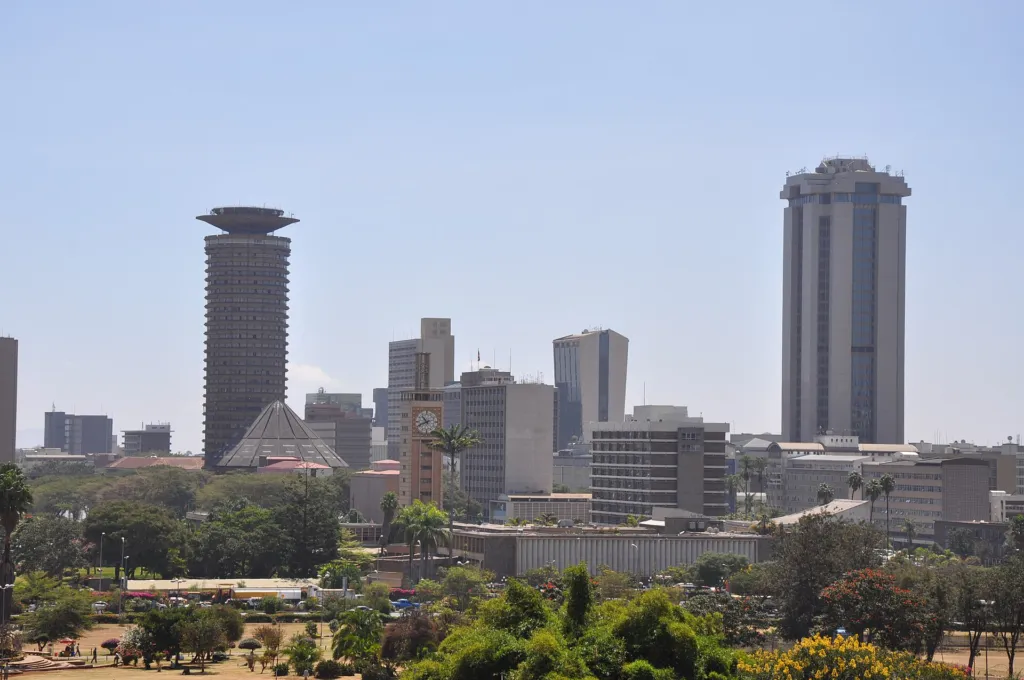
Top photo: Nairobi’s skyline (file photo). Photo: Jorge Láscar from Australia, Wikimedia Commons, CC BY 2.0
