
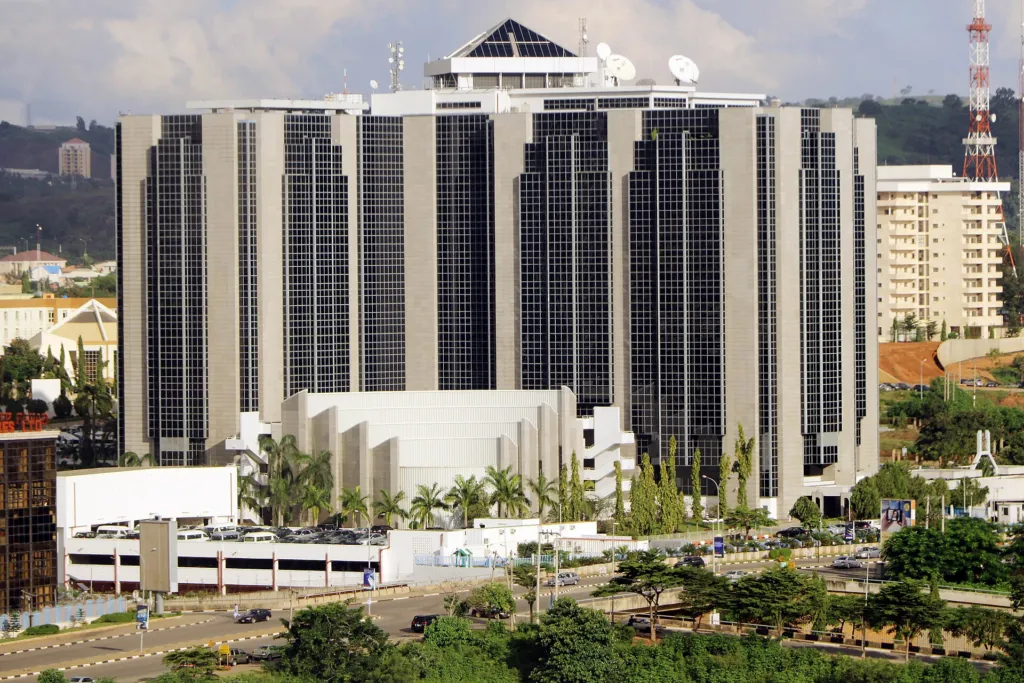
Nigeria’s central bank makes its biggest rate cut since 2006
The Central Bank of Nigeria (CBN) has cut its benchmark interest rate by 3.5 percentage points, from 26.5 percent to 23 percent, its largest single reduction since December 2006.
The decision, announced by Governor Olayemi Cardoso after the bank’s 307th Monetary Policy Committee meeting in Abuja in September, was the second rate cut this year and brought the rate to its lowest level since February 2024.
Why the bank cut rates
Inflation is falling. Headline inflation had eased to 15.39 percent in August, the third consecutive monthly decline, and it has kept falling since: the National Bureau of Statistics put September’s rate at 14.63 percent, more than 6 points lower than a year earlier. That is still high by international standards, but far below the levels Nigerians faced in 2024.
The economy is growing. Real GDP growth rose to 4.43 percent in the second quarter of 2026, and the composite purchasing managers’ index stood at 52.7, indicating expanding business activity.
The old rate had stopped working. This is the most technical but perhaps the most important reason. The benchmark rate, known as the Monetary Policy Rate (MPR), had drifted far above the rates banks actually use. Interbank lending and the CBN’s own Standing Deposit Facility were both around 22 percent, while the MPR sat at 26.5 percent. Banks were pricing loans off the lower rates, which meant the headline rate had little effect on the real economy.
Cardoso described the move as “an operational reset to enhance the effectiveness of monetary policy”, rather than a change in the bank’s overall stance. The aim is to bring the benchmark into line with market rates and support a planned move to formal inflation targeting.
What else changed
- The corridor around the MPR was reset to +50 and -300 basis points, meaning the rates at which banks can borrow from or deposit with the CBN are now set relative to the new benchmark.
- The cash reserve requirement was left unchanged at 45 percent for commercial banks and 16 percent for merchant banks.
What it means for borrowers
In the short term, the impact on loan rates may be smaller than the headline suggests, because banks were already pricing many loans off market rates. But a lower and more credible benchmark should, over time, make it easier for businesses to plan and could reduce the cost of credit.
For savers, the move signals that deposit rates are likely to drift lower as inflation falls.
The bigger picture
Nigeria has been through a difficult few years of reforms under President Bola Tinubu, including the removal of fuel subsidies and the unification of exchange rates in 2023. Those steps pushed inflation sharply higher before it began to ease. The CBN raised rates aggressively during that period to stabilise the naira.
The September cut is a sign that the central bank believes the worst is over. The official exchange rate has been relatively stable, at around 1,346 naira to the dollar in late October.
October inflation and the next cut
- October inflation figures, due from the National Bureau of Statistics in mid-November, and whether the decline continues.
- How quickly banks pass lower rates on to borrowers.
- The naira, which could come under pressure if lower rates make Nigerian assets less attractive to foreign investors.
- Progress towards a formal inflation-targeting framework.
Sources: Nairametrics, 22 September 2026; Central Bank of Nigeria MPC communiqué; Rio Times Africa brief, 26 October 2026; Nairametrics, 15 October 2026.
Top photo: The Central Bank of Nigeria headquarters in Abuja (file photo, 2017). Photo: GodwinPaya, Wikimedia Commons, CC BY-SA 4.0
