
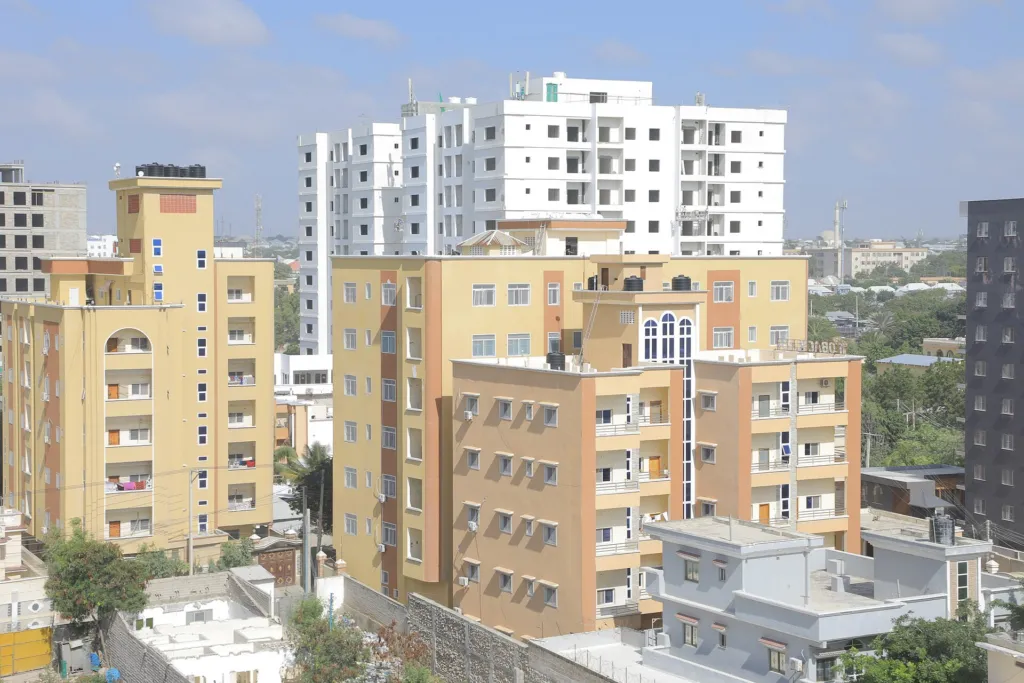
Somalia sets May 2027 for its first direct presidential vote in decades
Somalia’s electoral commission has set a timetable for national elections that would mark a historic break from the clan-based system the country has used for decades. Whether the vote can actually happen is another matter.
The timetable
On 15 October, the National Independent Electoral and Boundaries Commission announced:
- 1 to 22 November 2026: voter and party registration reopens.
- 22 November 2026: deadline for parliamentary candidate lists.
- 27 February 2027: campaigning begins.
- 15 April 2027: elections for both houses of parliament.
- 15 May 2027: presidential election.
Both votes are to be held on a “one-person, one-vote” basis, meaning ordinary citizens would vote directly rather than through clan elders.
Why this is a big change
Since the collapse of the central state in 1991, Somalia has chosen its leaders through indirect elections. Clan elders select delegates, who choose members of parliament, who in turn elect the president. The system was designed to share power among clans, but critics say it is open to manipulation and vote-buying, and gives ordinary Somalis no direct say.
President Hassan Sheikh Mohamud has made direct elections a central goal, saying no other kind of election will take place. In December 2025, Mogadishu held local council elections under a one-person, one-vote system, the first such vote in the capital in decades.
The dispute over his term
Hassan Sheikh’s four-year term was due to end in May 2026. Parliament, however, passed constitutional amendments that extended it by a year, and the government declared a “transition period”. Opposition parties boycotted the vote on the amendments and reject the changes.
Former presidents Mohamed Abdullahi Farmaajo and Sharif Sheikh Ahmed have criticised the extension, and Sharif has warned of the risk of “parallel elections”. Several federal member states, including Puntland and Jubaland, see the process as a power grab. Fighting has also broken out between federal troops and forces loyal to South West State’s leader, who opposes the reforms.
Opposition coalitions say they also support direct elections in principle, and have submitted their own one-person, one-vote model to international partners, but there is still no agreement with the government on how the vote should be run. “There’s no political agreement to hold those elections,” analyst Samira Gaid told AFP.
The security challenge
The biggest obstacle may be security. The Islamist group al-Shabaab controls large parts of the country, especially in rural areas. Registering voters, protecting polling stations and transporting ballots across contested territory would be extremely difficult.
What to watch
- Voter registration in November, and how many people sign up outside Mogadishu.
- Talks between the government and opposition, and whether federal states such as Puntland and Jubaland take part.
- International partners, who fund much of Somalia’s security and electoral process.
- Al-Shabaab’s response, which could include attacks on electoral events.
A credible direct election would be a landmark for Somalia. A disputed one could deepen the country’s divisions.
Sources: Dawan Africa, 15 October 2026; AFP via Eyewitness News, 16 October 2026; Reuters; Somali Guardian.
Top photo: New apartment buildings in Mogadishu, January 2024 (file photo). Photo: ATMIS Somalia, Wikimedia Commons, CC0
